Luke Tlachac 5/8/26
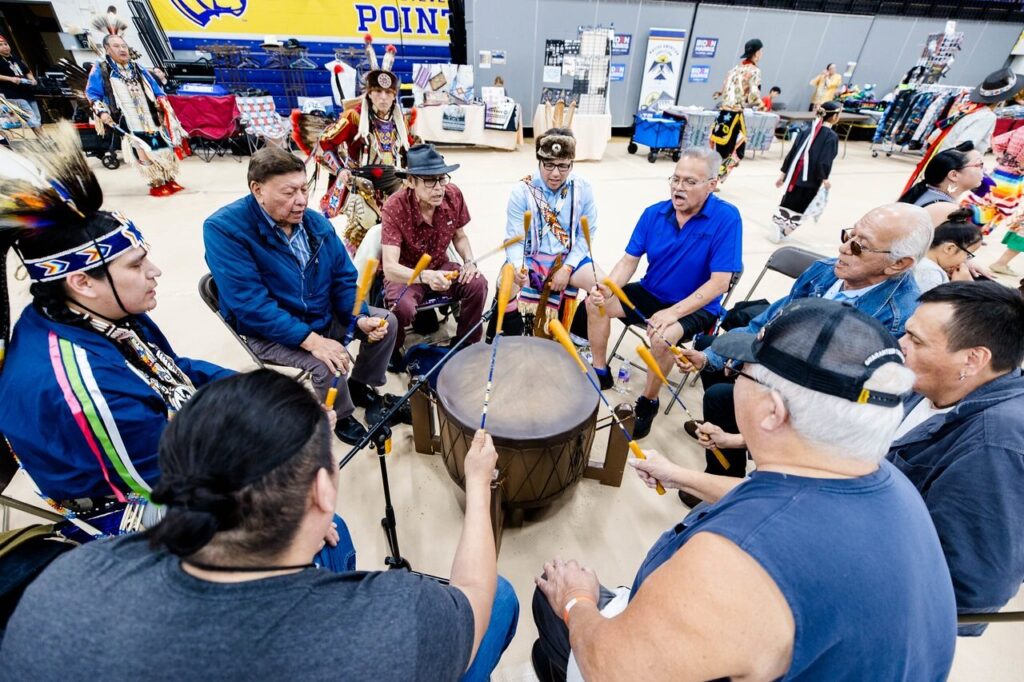
AIRO was first created on February 9, 1969, as American Indians Resisting Ostracism with the first members being Gary Kmiecik, Danielle Sanders, Chas Wheelock, Pat Gerard and Kay Wilson with the goals of eliminating stereotypes and generalizations that surround Native Americans, creating a safe haven for Native students, spreading Native identity and inclusion on campus and providing resources to help students.
Throughout the years since their creation to present day, they have many different and notable events that the group took part in that with the information coming from official documents such as letters, pamphlets, flyers, etc.:
- 1969: hosted the Floyd Western Concert to spread their name as a newly created group along with what their mission is1.
- 1971: AIRO sends a letter to Lee Sherman Dreyfus about removing Native American skeletal remains as it was seen as being disrespectful for the campus museum which agreed to23.
- 1972-1973: AIRO creates different articles in the “The Pointer” regarding Native Americans topics such as displacement of Native Americans, insensitive articles such as one sports headline being called “Indian Scalp Pointers”, in the same year they hosted Native American Week that consisted of arts and crafts exhibits, powwow and Wounded Knee Night. DOME Project provided a space for Native American student.4
- 1975-1976: AIRO requested a taskforce that would promote communication between the different minority student groups and work on academic support programs, recruitment and discrimination but the input of the request to the University was delayed, which they noted was a constant thing that many other groups like them on campus heard5.
- 1976-1977: The Native American Education and Development Training Council is established
- 1978-1979: The Native American Center opens its doors6.
- 1984-1985: Renamed to American Indians Reaching for Opportunities7
The importance of these events to the topic of cultural identity with how they spread their message through the use of Native imagery such as feathers to make them recognizable. The goal of Native acceptance was through drafting letters to the different facilities on campus asking for changes that would help Native American students such as rooms and areas for the specific groups, inclusion in university activities and programs. Finally, the topic of spotlight Native identity that was achieved through the creation of the powwows, Native American week and campus-related events.
Citations: Primary sources: AIRO. History 1972-2006. Box 1. Folder 1. 1972-2006. University of Wisconsin Stevens-Point Archives
AIRO. Correspondence. Box 1. Folder 3.1969-1973. University of Wisconsin Stevens-Point Archives
AIRO. Correspondence. Box 1. Folder 4. 1974-1976. University of Wisconsin Stevens-Point Archives
AIRO. Correspondence. Box 1. Folder 5. 1977-1984. University of Wisconsin Stevens-Point Archives
Secondary Source: Nelson.Nerissa,’Celebrating Native American Heritage Month: Uncovering The Legacy of
UWSP,November 25,2024,UWSP Libraries
Footnotes:
- AIRO. History 1972-2006. Box 1. Folder 1. 1972-2006. University of Wisconsin Stevens-Point Archives ↩︎
- AIRO. History 1972-2006. Box 1. Folder 1. 1972-2006. University of Wisconsin Stevens-Point Archives ↩︎
- Nelson, Nerissa. Celebrating Native American Heritage Month: Uncovering The Legacy of
UWSP,November 25,2024,UWSP Libraries ↩︎ - AIRO. History 1972-2006. Box 1. Folder 1. 1972-2006. University of Wisconsin Stevens-Point Archives ↩︎
- AIRO. Correspondence. Box 1. Folder 4. 1974-1976. University of Wisconsin Stevens-Point Archives ↩︎
- AIRO. Correspondence. Box 1. Folder 5. 1977-1984. University of Wisconsin Stevens-Point Archives ↩︎
- AIRO. Correspondence. Box 1. Folder 5. 1977-1984. University of Wisconsin Stevens-Point Archives ↩︎
Leave a Reply