
May 11, 2026 — Emmy Lindeman
The contents on this page will look at how women in the workforce were talked about at UWSP during the 80s through articles published in the The Pointer. During this time more women were entering careers and were pushing for equal job opportunities, unfortunately many still faced unfair expectations and discrimination in their workplaces. This project will highlight both the progress women have made as well as the challenges they continue to face.
The Wage Gap in 1980s
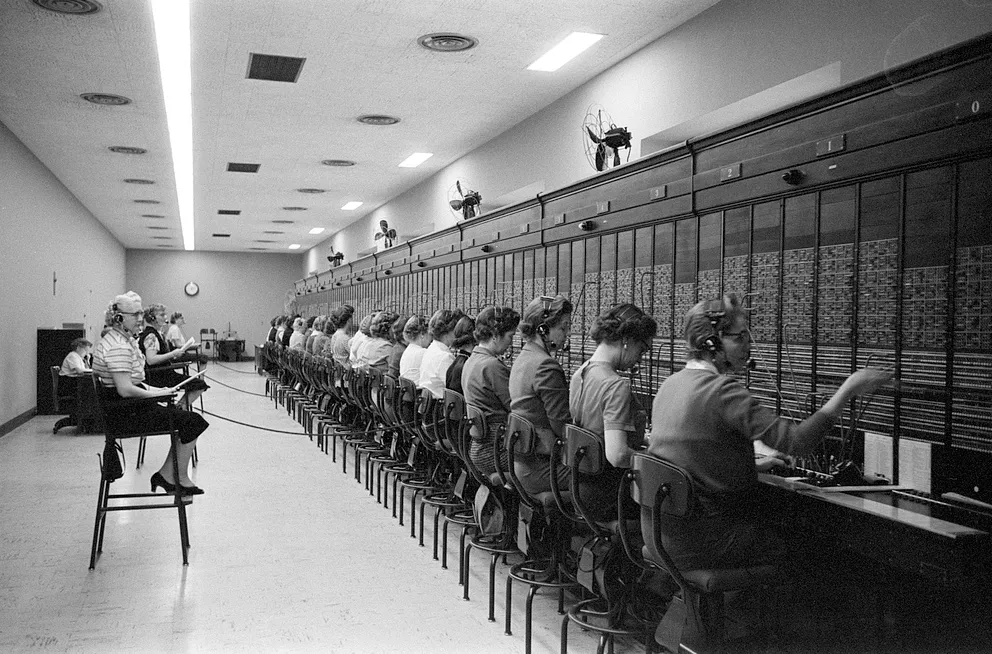
One common issue that seemed to occur often in the 80s was unequal pay in the workplace. In an article published by The Pointer titled, “Women in the job market, it’s an upclimb hill,” Diana Rock discusses how jobs that are traditionally associated with women were often paid less than male dominated jobs even if the work required similar levels of skill and or responsibility. The article points out that women only earned around 62 cents for every dollar earned by men. Rock also argues that this inequality has become deeply built into the workplace system. Other examples from Washington state showed that female-dominated jobs such as typists and laundry workers were paid significantly less than male-dominated positions despite similar job ratings.
The article also pushed back against the argument that women should simply leave female-dominated careers and take on male-dominated careers if they wanted a higher pay. Rock explains that it’s not as simple as it sounds because many women are already supporting their faimilies and realistically cannot abandon their jobs to look for a new one. She also brings up that jobs traditionally associated with women, such as, teaching and nursing are very unfairly undervalued even when they’re essentials to our society.
Throughout the article, workplace inequality is presented as more than just a financial issue but as a much larger problem in society shaped by longstanding gender expectations. Towards the end of the article, Rock emphasizes that the fight for women’s rights had increasingly shifted into the workplace where equal pay was seen as an important step towards overall equality.
“The battle ground for women’s rights is now in the workplace.”
– Diana Rock
Employment Growth, Persistent Inequality
“Working women are no longer the exception ot the rule, they are the rule.”
– Lauren Cnare
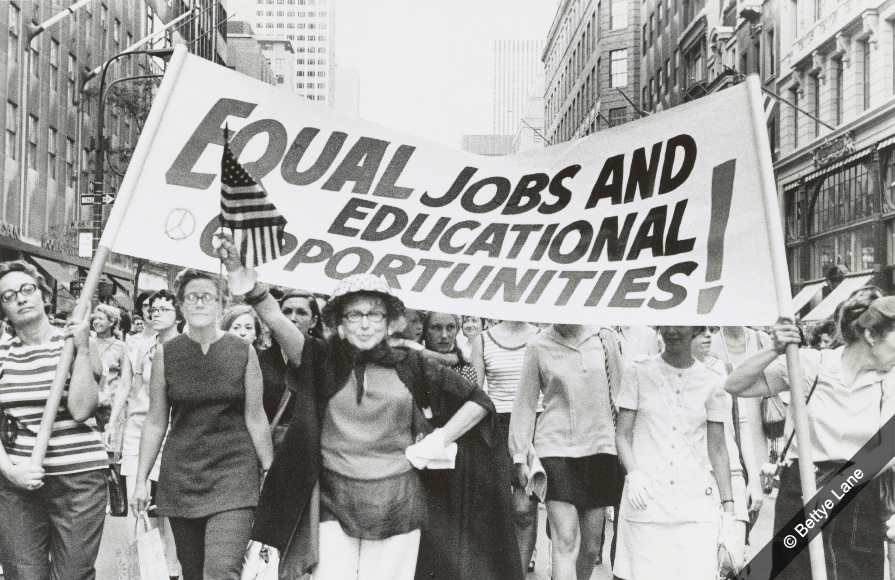
Another article from The Pointer, “Way of the working world” by Lauren Cnare, expands on these issues by discussing how widespread women’s participation in the workforce had become by the 1980s. Cnare explains that working women were no longer an exception but the norm, as they make up a large portion of the American labor force. However, she emphasizes that this shift did not come with equal treatment, as women on average still learned a significantly less amount than men; about 59 cents for every dollar nationally and even less in Wisconsin, 57.5 cents.
The article also connects this wage gap to long-standing patterns in the labor market, arguing that women had historically been forced into lower paying, or “dead-end” jobs like clerical work, sales, or service positions while only about 2% worked in management and skilled trades. Cnare also points out that yes, while women did advance in their workplaces, they unfortunately still had to faced very slow promotions and lower pay compared to their male counterparts.
Beyond wages, the article includes how these inequalites affect women’s long-term financial stability, including limted access to pensions, retirement security, and lastly, business opportunities.
Overall, the articles from The Pointer really show how the 1980s were a a time for real change for women in the workforce, but not full equality. During this time, more women were working than ever before and their presence was becoming much more normal in nearly every part of the job market. Though at the same time, major inequalities still existed, especially when it came to pay, opportunities, and promotions as both of these articles have shown.
Sources:
“Women in the Job Market, It’s an uphill Climb.” The Pointer (University of Wisconsin- Stevens Point) May 3, 1984.https://cdm17556.contentdm.oclc.org/digital/collection/pointer/id/22351/rec/1
“Way of the Working World.” Pointer Magazine (University of Wisconsin- Stevens Point) October 7, 1982 https://cdm17556.contentdm.oclc.org/digital/collection/pointer/id/20278/rec/2
Leave a Reply